Scissor Case Embroidery Design Review
The Scissor Case machine embroidery design presents an intriguing opportunity for small businesses seeking to add a touch of charm and practicality to their branded merchandise. As an experienced embroidery designer, I've evaluated this design across various applications, from patches to custom apparel, and here's what I found.
First Impressions: A Handmade Touch with Modern Appeal
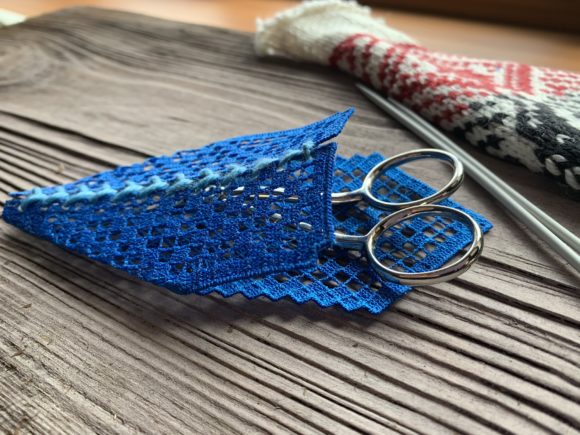
At first glance, the Scissor Case feels like a handmade product, reminiscent of a crochet filet item. Its delicate yet structured appearance suggests a balance between rustic and modern aesthetics. This makes it particularly appealing for businesses that want to convey a sense of care and craftsmanship in their branding.
The design is described as a "nice gift for mom or grandmother," which hints at its warmth and personal appeal. However, its versatility extends beyond just personal gifts—it can be adapted for small business merch, custom apparel, and even product packaging accents.
Real Business Use: Where Scissor Case Shines
The Scissor Case embroidery design has several potential uses for brand identity and customer engagement. Here are some real-world scenarios where it could work effectively:
- Embroidered Patches: Ideal for boutique merchandise, event merch, or handmade shop branding. It adds a subtle yet distinctive detail to jackets, backpacks, or aprons.
- Staff Uniforms: Can be used as a chest logo accent on aprons or work shirts, especially in creative studios, bakeries, or florists. The design’s soft edges make it less intrusive than bold logos.
- Caps and Hats: Suits cap embroidery well, particularly if placed on the back or side. It avoids overwhelming the wearer while still making the brand recognizable.
- Tote Bags: Works as a tote bag design element, either as a corner accent or along the strap. It complements the casual, approachable nature of tote bags.
- Product Packaging: Can serve as a subtle embroidered accent on product boxes or labels, reinforcing the brand's attention to detail.
- Etsy Branding: Offers a unique way to differentiate handmade products, especially for crafters selling items like kitchenware, gardening tools, or sewing kits.
Where to Use with Caution
While the Scissor Case is versatile, there are certain situations where it should be approached carefully:
- Small Patch Sizes: Due to its intricate details, reducing the size too much may compromise clarity. Test it at minimum patch sizes before finalizing.
- Cap Fronts: Avoid using it on the front of caps, as it might appear too busy or not align with the desired brand image.
- Curved Surfaces: Requires careful placement and stabilization to maintain the design’s integrity on curved surfaces like mugs or helmets.
- High Stitch Density: Ensure your embroidery machine can handle the stitch density without causing fabric distortion or thread breakage.
- Dark Fabrics: Thread color contrast is essential. Test on dark fabrics to ensure visibility and visual appeal.
- Frequent Washing: If used on items that need frequent washing, consider the fabric texture and use appropriate stabilizers to prevent fraying.
Design Notes for Embroidery Professionals
If you're planning to use the Scissor Case for commercial embroidery projects, keep these notes in mind:
- Test in Black and White: Confirm the design’s structure and spacing before committing to thread colors.
- Check Small Patch Size: Ensure it remains legible and visually appealing when scaled down for patches or cap accents.
- Review Thread Color Contrast: Choose colors that complement your brand palette and stand out on different fabric types.
- Inspect Spacing: Adjust the design spacing to avoid overcrowding stitches, especially on tight-knit fabrics.
- Confirm Hoop Size: Make sure your hoop size accommodates the design without stretching or distorting the pattern.
- Test on Real Fabric: Always test the embroidery file on actual fabric before mass production to catch any unforeseen issues.
- Use Proper Stabilizer: Especially important for textured fabrics or light-weight materials to prevent puckering or shifting.
- Create a Mockup: Provide a printable mockup for client approval to ensure alignment with their vision.
- Compare with Other Assets: Ensure the Scissor Case aligns visually with other design assets for consistent brand identity.
- Confirm Commercial Licensing: Always verify the digital embroidery file comes with proper commercial use rights before incorporating it into your business workflow.
Impact on Brand Identity and Customer Perception
The Scissor Case design can significantly enhance brand identity by adding a layer of personality and thoughtfulness to your small business merch. Its gentle, handmade aesthetic encourages a sense of trust and familiarity among customers.
When used appropriately, it can elevate the perceived value of your products, especially in markets that prioritize artisanal or bespoke items. Whether on apron embroidery, tote bag design, or product packaging, it contributes to a cohesive and professional look that resonates with your target audience.
For craft business assets, this design serves as a subtle but effective way to communicate your brand’s values—creativity, care, and quality. It also supports buyer engagement by creating memorable, visually consistent branding across all touchpoints.
In conclusion, the Scissor Case is a versatile and thoughtful addition to your embroidery repertoire. With the right considerations and testing, it can become a valuable asset for commercial embroidery and brand recognition efforts across a wide range of industries and products.